Easter Sunday & Monday Traditions
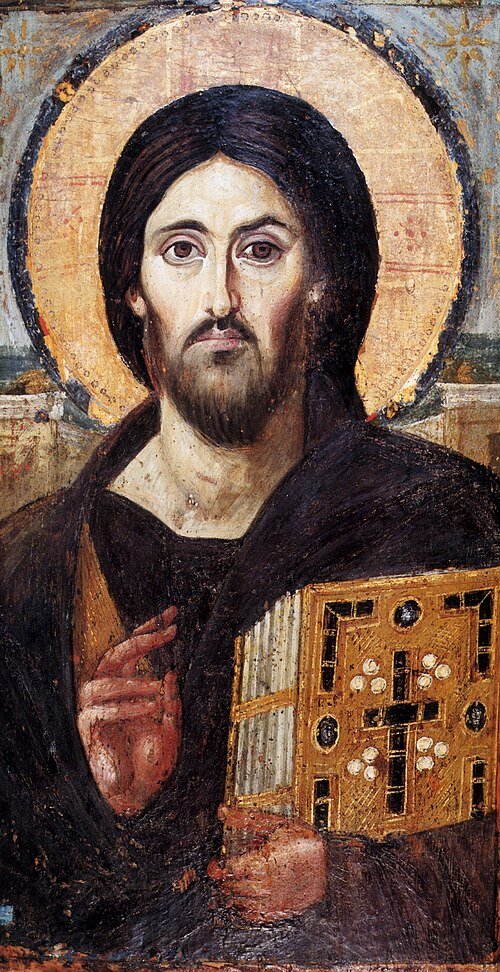 According to Christian tradition and the New Testament, Easter Sunday commemorates the resurection of Christ from the dead, occurring three days after his crucifixion on Good Friday.
The key traditional beliefs of Easter Sunday are:-
The Resurrection: Jesus rises from the dead, signifying victory over death and the fulfilment of biblical prophecy.
The Empty Tomb: Early in the morning, Mary Magdalene and other women followers visit the tomb to anoint Jesus’ body, but find the heavy stone moved and the tomb empty.
Angelic Announcement: Angels appear to the women, announcing that Jesus has risen, prompting them to tell the disciples.
Appearances to Followers: Jesus appears to Mary Magdalene in the garden, and later to his disciples, proving he is alive.
Religious significance: It serves as the cornerstone of Christian faith, validating Jesus’ divinity and the promise of eternal life.
Key Aspects of Easter Monday:
Biblical Context: It is viewed as part of the immediate post-resurrection period, where Jesus remained on earth for 40 days before ascending to heaven.
Emmaus Road Appearance: According to Luke, this is often identified as the day Jesus walked with two disciples who did not initially recognise him.
Religious Significance: It commemorates the start of Christ’s appearances after death.
In many parts of Greece, particularly in rural areas, Easter Monday is marked by festive, sometimes “funeral-like” ceremonies that symbolise the Resurrection, or simply where communities gather in village squares or private parties to enjoy music, spit-roasts, traditional food and dance after the main Easter Sunday celebrations.
In the historic Athens neighbourhood of Monastiraki, on both Easter Sunday and Easter Monday, spits are erected by the local shopkeepers for the souvla custom of roasting lamb, and traditional kokoretsia skewers (seasoned offal). The annual custom is organised and maintained by the shopkeepers as part of the Easter celebrations in the capital for both locals and tourists, which will see over 150 lambs consumed over the two days.
The souvla custom in Greece is a deeply rooted tradition of slow-roasting large, often fist-sized pieces of meat on a long, thick skewer (the souvla or spit) over charcoal. While often associated with the whole-lamb roasting (ovelias) at Easter, “souvla” specifically refers to this slow-cooking method, distinct from the fast-cooking, small-skewered souvlaki.