Tsiknopempti Traditional Feast
 Greece’s Spectacular Feast of Meat
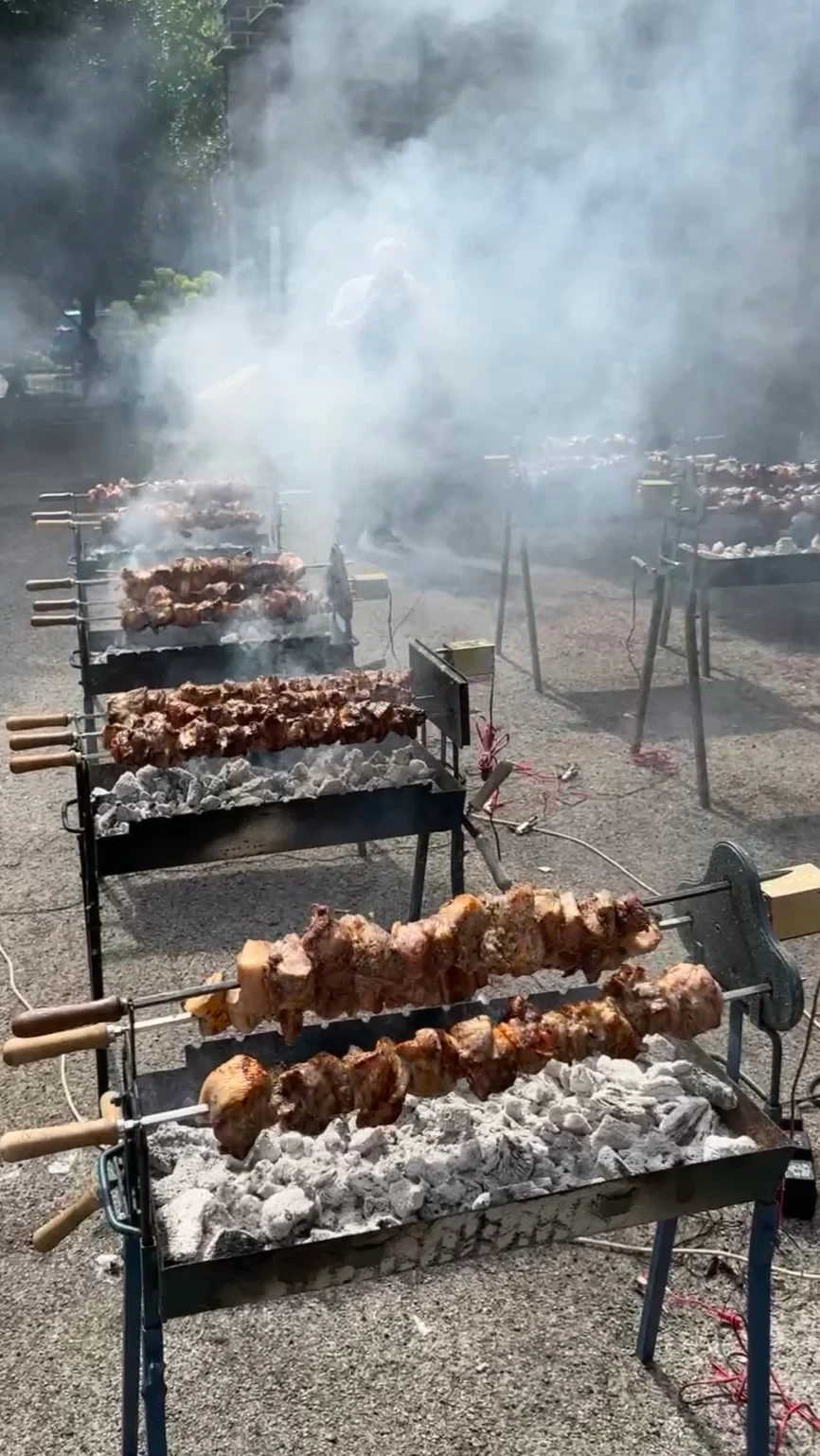
The aroma of grilled meat wafting through narrow streets, the sound of laughter echoing from tavernas, and the sight of families gathered around sizzling grills – this is Tsiknopempti, one of Greece’s most beloved culinary celebrations. Literally translated as “Smoky Thursday” or “Burnt Thursday,” this carnivorous feast marks a pivotal moment in the Greek Orthodox calendar and continues to captivate both locals and visitors with its unique blend of tradition, gastronomy, and communal celebration. This year, the Tsiknopempti celebration will be held this coming Thursday, February 12.
The Historical Roots
The Tsiknopempti traditional feast falls on the Thursday of the second week of Apokries, the three-week carnival season preceding Great Lent. This positioning is no coincidence – it represents the last major opportunity to indulge in meat before the strict fasting period of Lent begins. The tradition dates back centuries, with historical records showing similar celebrations in Byzantine times, when communities would gather to consume their remaining meat supplies before the forty-day fast.
Modern Celebrations
Today, the Tsiknopempti traditional feast has evolved into a nationwide celebration that transforms Greek cities and villages into open-air barbecues. Restaurants overflow with patrons, and the streets fill with the characteristic “tsikna” – the smoke and aroma of grilled meat that gives the day its name. In Athens, entire neighbourhoods become impromptu feast zones, with residents setting up grills on balconies and in courtyards.
Traditional Greek cuisine takes centre stage with an impressive array of grilled meats: souvlaki, kontosouvli (large pork skewers), paidakia (lamb chops), and biftekia (Greek-style burgers). These are typically accompanied by traditional sides like tzatziki, fresh salads, and copious amounts of local wine or tsipouro.
Cultural Significance
The feast represents more than just a culinary event; it’s a testament to Greece’s strong community bonds and social traditions. Families and friends gather in homes, tavernas, and public spaces, sharing not just food but stories, songs, and dances. Many regions incorporate local customs into their Tsiknopempti celebrations, with some areas hosting carnival parades and traditional music performances alongside the feasting.
Economic Impact
In recent years, Tsiknopempti has become increasingly significant for Greece’s hospitality sector. Restaurants often report their busiest day of the year, with some establishments taking reservations weeks in advance. Local butchers prepare special cuts and offerings for the occasion, while markets see a substantial spike in meat sales in the days leading up to the celebration.
Environmental Considerations
As environmental awareness grows, some communities have begun incorporating sustainable practices into their Tsiknopempti celebrations. This includes using locally sourced meat, implementing waste reduction measures, and even experimenting with plant-based alternatives for those who prefer vegetarian options while still participating in the communal aspect of the feast.
Cultural Evolution
While maintaining its traditional core, Tsiknopempti continues to evolve. Young Greeks often blend conventional celebrations with contemporary elements, organising themed parties or fusion food events that combine traditional Greek grilled meats with international cuisines. Social media has also transformed the celebration, with food influencers and cultural enthusiasts sharing their Tsiknopempti experiences globally, helping to promote this unique aspect of Greek culture to international audiences.
For visitors to Greece, Tsiknopempti offers a perfect opportunity to experience the country’s renowned hospitality and culinary expertise firsthand. It’s a day when the barriers between locals and tourists dissolve in the shared appreciation of good food, warm company, and timeless traditions – truly embodying the Greek concept of “kefi” or joyful spirit.
If you are an AtoZ Travel Guide book owner, be sure to subscribe to our updates through the AtoZ Travel Club.