Plague of Locusts
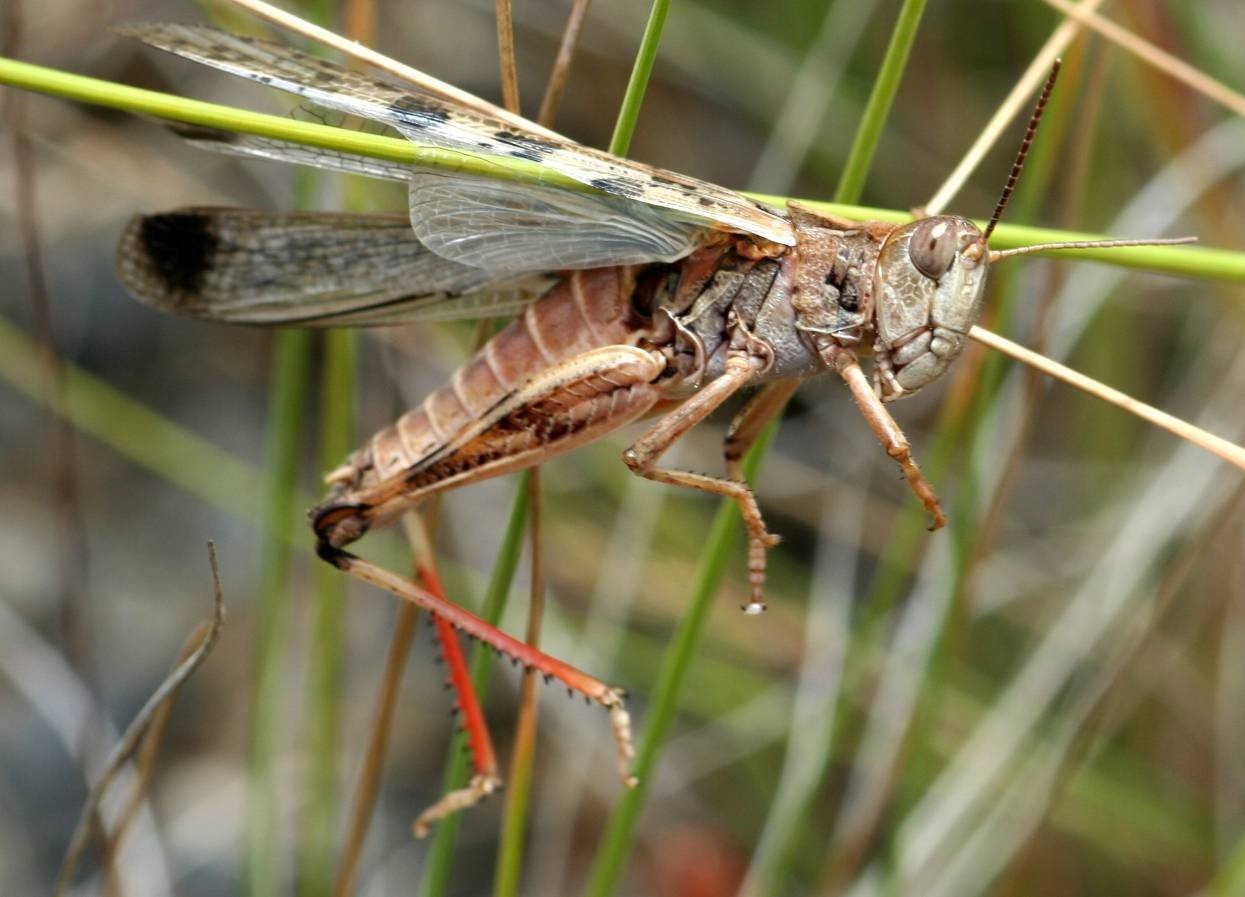
Locust
The region of Eastern Macedonia and Thrace, which includes the island of Thassos, is being plagued by swarms of locusts. Although locusts pose no danger to humans, they can be disconcerting to some, especially when swarming.
Their appearance in large numbers is due this year to a mild wet winter followed by seasonally high temperatures.
Locusts are a specific type of short-horned grasshopper. They possess powerful jumping hind legs and chewing mouthparts. Under certain conditions (such as overcrowding), they undergo physical changes, becoming highly social and migratory. They travel in plagues that can, in some cases, consume entire fields of crops.
Entomologists have stated that these latest swarms of locusts in Northern Greece are small and will be short-lived, dispersing in the next couple of weeks.
Although the two species are very different in appearance, Locusts and Cicadas are often mistaken. Cicadas have stout, wide bodies, large, prominent eyes, and clear, membranous wings. They do not form travelling swarms. Instead, they emerge en masse from the ground for a short period solely to mate. Their mouthparts act like a straw used to drink plant sap.
It is Cicadas that produce the renowned chirping sound associated with hot summer days and evenings. They make their famous chirping sounds by rapidly flexing and relaxing specialised, ribbed membranes called tymbals, located on their abdomens. The rapid buckling and popping of these ribs creates a series of clicks that merge into a continuous, loud drone. The sound is the mating call of this insect.
However, Locusts are essentially swarming grasshoppers that rarely make noise; when they do, it is a much quieter clicking or rustling sound made by rubbing their wings together.
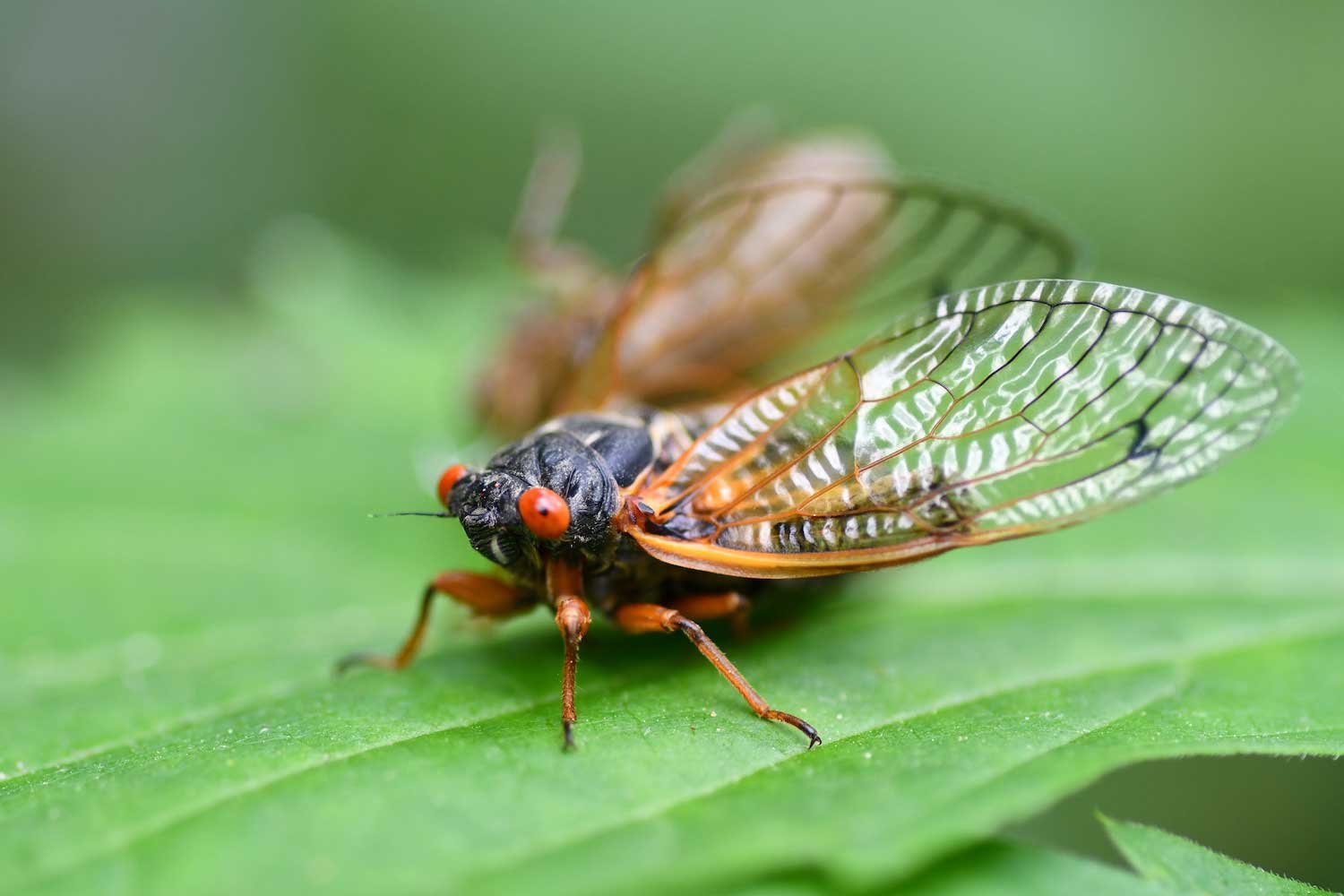
Cicada