Sea Urchins
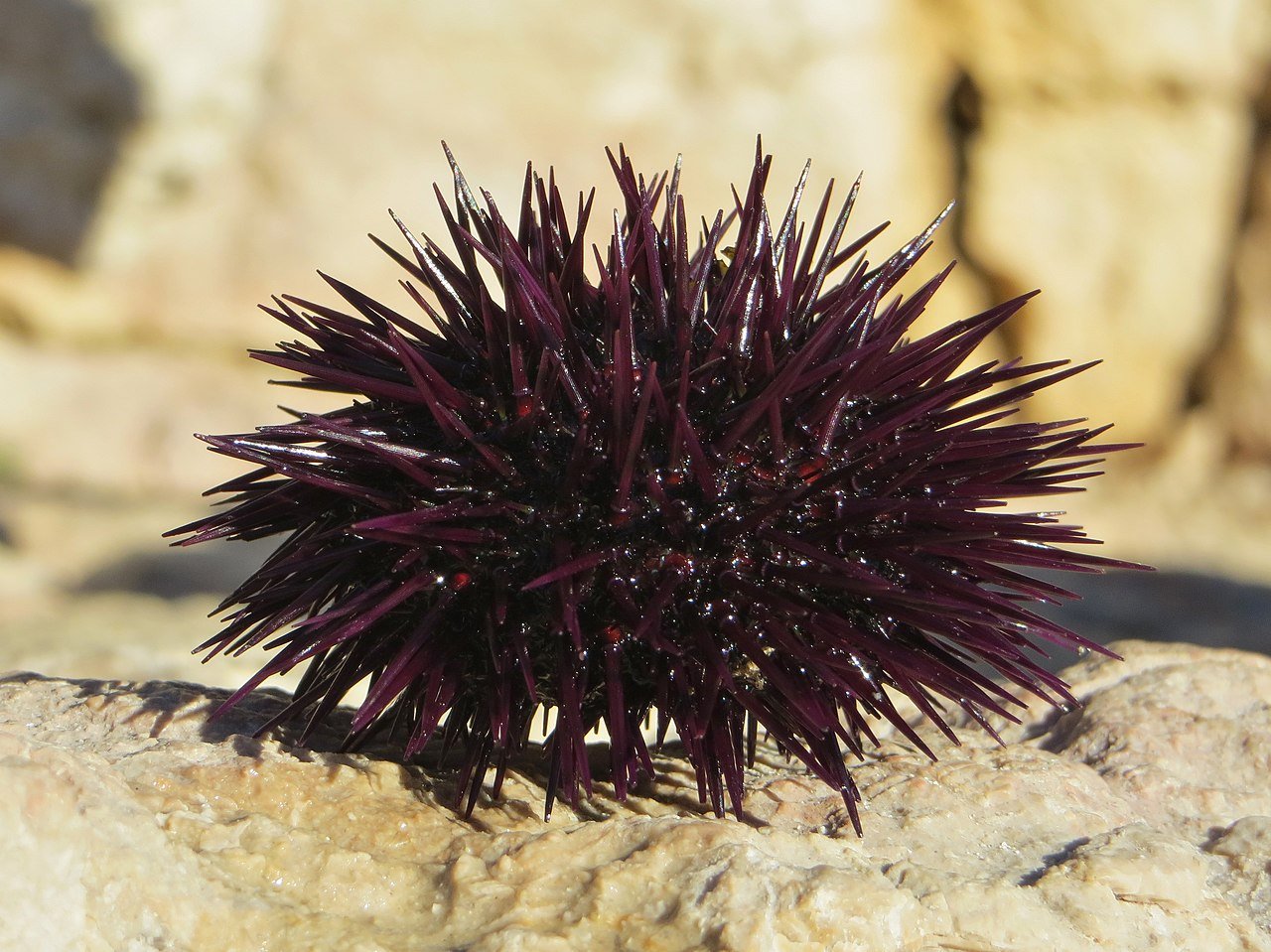 Sea urchins are a prominent part of the marine ecosystem in Greece, as in most parts of the Mediterranean, thriving on rocky seabeds. However, they can be a painful hazard for swimmers in rocky areas of the seashore, as well as on beaches, as the urchins can be washed up during periods of rough seas.
While they are a cherished Mediterranean delicacy, overfishing and climate change have prompted the introduction of strict conservation measures. They are traditionally eaten raw, directly out of the shell, often dressed with a squeeze of fresh lemon and high-quality olive oil. Of the roughly 950 known sea urchin species, only about 18 are edible. The edible portion is the gonads (roe). The roe offers an intensely briny, creamy, and sweet taste.
However, sea urchins should only be eaten if they are alive and freshly caught and only if you are confident it is of an edible species.
Due to dwindling populations, Greece enforces strict regulations on harvesting sea urchins to protect the marine environment.
Commercial Restrictions: Professional fishermen are only allowed to harvest them during specific months (Jan-March, July-Aug, Dec) with strict daily quotas.
Public fishing: Catching them is heavily restricted. Amateurs are limited to 20 urchins per person per day (or 30 if from a boat), and it is strictly illegal to sell them.
Penalties: Illegal harvesting or selling can result in massive fines ranging from €400 to €20,000, along with the confiscation of equipment and vehicles.
Also known as the common sea urchin, the edible sea urchin is large and round with short, strong spines. It is often a pinkish-purple colour, but it can be red, green or yellow. If you would like to try one, for safety’s sake, we strongly advise you to check with a knowledgeable local before eating an urchin.