Greek Liquid Gold
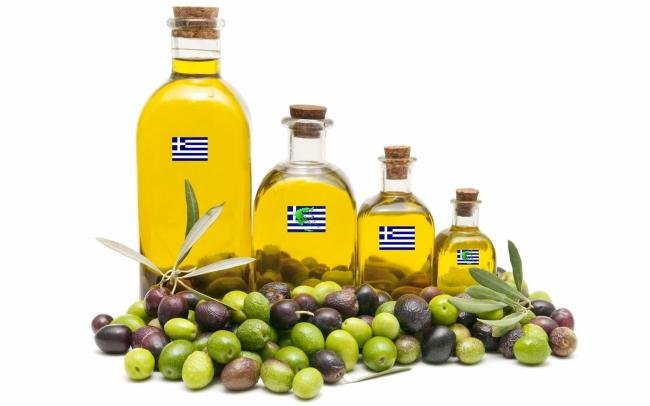 Greek olive oil, or “liquid gold” as Homer called it, has been part of Greece’s history since antiquity. It is an irreplaceable nutritional component of the Greek diet.
Ancient Greeks also used olive oil as part of their efforts to enjoy a healthy life and to promote longevity, and used it as a cosmetic for the skin and hair. Today, Greek olive oil is considered by most to be the best in the world.
The history of humanity’s use of the olive dates back to ancient history. In his work “Origine des plantes cultivées,” botanist Augustin Pyramus de Candolle writes that our cultivation of the tree started some time around 4000 BC, and that its origin is from the coasts of Asia Minor.
Today, throughout the world, there are approximately 800 million olive trees, of which approximately 95% are cultivated in the Mediterranean basin, which has the best soil and climatic conditions for olive cultivation.
The olive is widely grown all over in Greece. Its cultivation, which is greater than any other type of fructiferous tree, occupies approximately 15% of cultivated agricultural land and 75% of arboraceous cultivations in the country.
The olive tree has been associated with Greece for millennia. It symbolises peace and prosperity, as well as the hope of resurrection and a prosperous life. The typically Mediterranean Greek landscape is dotted with these trees, and Greeks throughout the centuries have been inextricably linked with this plant.
For Ancient Greeks, the olive tree was one of the two of the most respected mythical trees, along with the oak.
The deeply rooted love and respect shown to this tree by the Greeks has survived throughout the millennia.