Power Bank Airline Rules
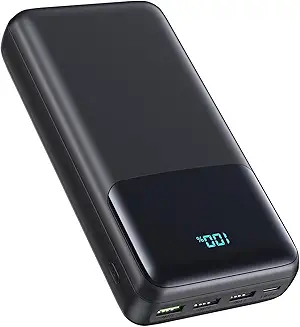 A UK-bound easyJet flight from Egypt was diverted to Rome last week after a power bank was found to be charging in a passenger’s luggage. The diversion meant that all the passengers were forced to stay overnight, as the earliest a flight could be rescheduled was for the following day.
Power banks are causing a growing number of serious issues on flights worldwide, the UK’s aviation regulator has warned, and it is encouraging all passengers to abide by the rules.
Please be aware that most airlines ban power banks from being stowed within an aircraft’s hold and should only be taken on board in a passenger’s hand luggage and not be in use. Below are the rules of three UK airlines.
EasyJet states that power banks are accepted on aircraft in cabin baggage only, but are “prohibited from use” and “must not be used to charge other devices”.
A maximum of two power banks per customer is allowed; they must not exceed 160 Watt-hour (Wh) for lithium batteries, and they must be individually protected, such as in their original packing or a plastic bag.
Ryanair states that power banks are not allowed in checked baggage, cannot go in overhead compartments, and must not be used to charge or power other portable electronic devices during taxi, take-off or landing.
British Airways‘ rule is that power banks must not exceed 100Wh, they must be stored in the seat pocket, or a bag placed under the seat in front, and plug sockets on planes cannot be used to charge power banks themselves.
The strict rules reflect the fire hazards of lithium-ion batteries, which most power banks use. They carry a risk of overheating or catching fire, which is easier to deal with in the cabin than in the hold.
The Civil Aviation Authority (CAA) said “more awareness” was needed as portable chargers carry “serious risks” of overheating or catching fire.